Description
MOTS-C 10MG Peptide: A Guide to Research, Quality, and Sourcing
MOTS-C 10MG peptide is a laboratory research peptide associated with studies examining mitochondrial function, cellular metabolism, and metabolic signaling. As interest in peptide research continues to grow, researchers looking for a MOTS-C 10MG peptide need to consider product identity, documentation, purity, storage requirements, and supplier transparency before selecting a research material.
This guide explains important considerations surrounding MOTS-C 10MG, including how to evaluate product information, understand pricing, and assess suppliers and manufacturers.
Understanding MOTS-C 10MG Peptide
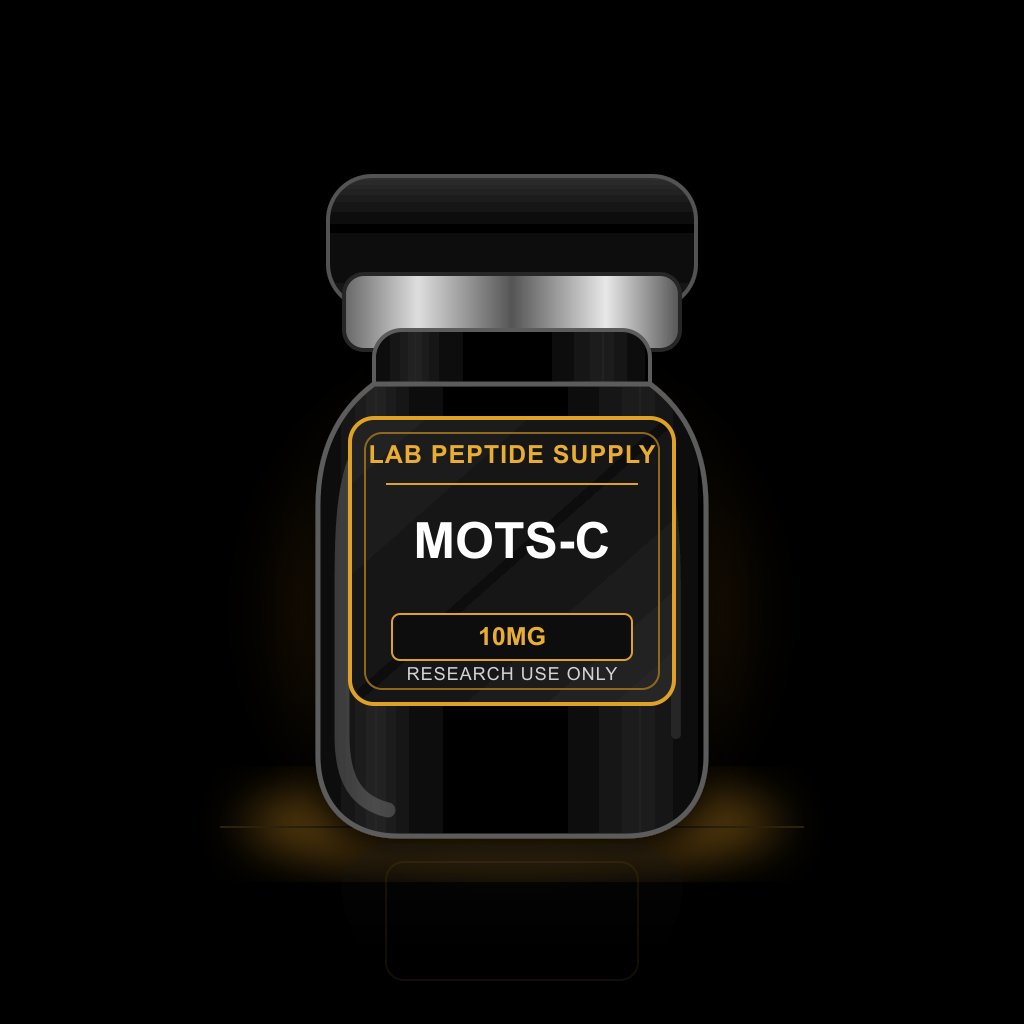
MOTS-C is a small mitochondrial-derived peptide that has been investigated in preclinical research. A 10MG designation generally refers to the amount of peptide contained in a vial or product presentation.
Researchers searching for a MOTS-C 10MG peptide should distinguish between a research product and a medication or approved therapeutic product. Laboratory peptides should not automatically be considered suitable for human consumption or treatment.
The quality of a peptide can depend on several factors, including synthesis methods, purification, analytical testing, packaging, and storage. Reputable research suppliers should provide clear product specifications rather than relying solely on marketing descriptions.
What to Look for in MOTS-C 10MG Products
When evaluating MOTS-C 10MG vials, researchers can examine several documentation and quality indicators:
- Clearly stated peptide identity and quantity
- Batch or lot information
- Purity specifications
- Analytical testing documentation
- Appropriate packaging
- Storage instructions
- Manufacturer or supplier identification
- Research-use labeling
- Traceability between the product and its documentation
A MOTS-C 10MG vial for sale should therefore be evaluated based on documented quality information rather than price alone.
Evaluating MOTS-C 10MG Suppliers
People researching a MOTS-C 10MG supplier should look for transparency throughout the purchasing process. A supplier should clearly identify the product, provide relevant technical information, and make its terms and documentation easy to understand.
When comparing a MOTS-C 10MG manufacturer with other manufacturers, consider whether the company provides batch-specific documentation and meaningful analytical information. Claims about purity or quality are more useful when they are supported by appropriate laboratory documentation.
Researchers should also be cautious of suppliers that make unsupported claims about health outcomes, guaranteed effects, or therapeutic benefits.
MOTS-C 10MG Price, Cost, and Purchasing Considerations
The MOTS-C 10MG price and MOTS-C 10MG cost can vary depending on factors such as manufacturing processes, purification, testing, packaging, quantity ordered, and supplier policies.
A lower advertised price does not necessarily indicate better value. Researchers should compare the documentation and specifications accompanying each product rather than comparing the headline price alone.
For organizations purchasing multiple units, MOTS-C 10MG wholesale pricing may be available from some research suppliers. Wholesale purchases should still be evaluated according to the same quality and documentation standards applied to individual products.
MOTS-C 10MG for Sale and Online Listings
Searches for MOTS-C 10MG for sale, MOTS-C 10MG peptide for sale, and MOTS-C 10MG online can produce a wide range of listings. However, online availability does not establish product quality.
Before considering a MOTS-C 10MG buy, examine the supplier’s product information, testing documentation, storage instructions, and research-use conditions. Researchers looking to Buy MOTS-C 10MG online should also verify that the supplier clearly identifies the product and its intended use.
Similarly, someone searching for Buy MOTS-C 10MG or attempting to MOTS-C 10MG order online should avoid relying exclusively on search rankings, testimonials, or unusually low prices when evaluating a research product.
Choosing a Research Peptide Supplier
A reliable research supplier should make product information straightforward to verify. Useful information may include the peptide sequence or identity, stated purity, lot number, analytical testing, quantity, storage requirements, and appropriate research-use documentation.
Researchers should also check applicable laws and regulations in their jurisdiction before ordering peptide research materials.
Frequently Asked Questions About MOTS-C 10MG
What is MOTS-C 10MG?
MOTS-C 10MG refers to a research peptide product containing a stated 10MG quantity of MOTS-C. The designation describes the amount of material rather than establishing a therapeutic indication.
How should I evaluate MOTS-C 10MG price?
Compare price alongside purity specifications, testing documentation, product quantity, packaging, and supplier transparency. The lowest MOTS-C 10MG cost should not automatically be treated as the best option.
Is MOTS-C 10MG available online?
Research suppliers may list MOTS-C products online, but availability and legal requirements vary by location. Product listings should be assessed for clear specifications and appropriate research-use documentation.
What should I check before ordering MOTS-C 10MG?
Check product identity, quantity, purity information, batch documentation, analytical testing, storage requirements, supplier details, and intended-use labeling. Researchers should also verify applicable local requirements before placing an order.
Conclusion
MOTS-C 10MG peptide is a research material associated with studies of mitochondrial and metabolic biology. For anyone researching MOTS-C 10MG for sale, the key considerations should extend beyond price and online availability.
Whether evaluating a MOTS-C 10MG supplier, MOTS-C 10MG manufacturer, individual vial, or wholesale offering, documented product identity, testing, traceability, and transparent research-use information are important factors. A structured approach to supplier evaluation can help researchers distinguish between listings based primarily on marketing claims and products supported by meaningful technical documentation.